
Ten sprints a session. How many sprints should I do? The burning question echoes among athletes seeking optimal performance. While individual factors vary, striking a balance between intensity and recovery is key. Pushing limits without overtraining is a delicate dance. Experts suggest starting with a modest number, then gradually increasing based on progress. Finding your sweet spot in the sprint count ensures gains without risking burnout. So, lace up those shoes and hit the track—just the right number of sprints awaits your breakthrough.

How Many Sprints Should I Do?
Welcome to our guide on how many sprints you should do in your workouts! If you’re looking to boost your fitness and increase your speed, incorporating sprints into your routine can be a fantastic way to achieve your goals. But how many sprints should you be doing to see the best results? Let’s explore this question in detail.
What Are Sprints?
Before we dive into how many sprints you should do, let’s first understand what sprints are. Sprints are short, intense bursts of running at your maximum speed. They are a form of high-intensity interval training (HIIT) that can help improve your cardiovascular fitness, build muscle strength, and enhance your overall performance.
The Benefits of Sprinting
Sprinting offers a wide range of benefits for your body and fitness level. Here are some of the key advantages of incorporating sprints into your workout routine:
1. Improved Cardiovascular Health
Sprinting helps improve your heart health by increasing your heart rate and strengthening your cardiovascular system.
2. Increased Speed and Power
Regular sprinting can help enhance your speed, agility, and explosive power, making you a faster and more dynamic athlete.
3. Fat Loss and Muscle Tone
Sprints are a great way to burn calories and boost your metabolism, leading to fat loss and improved muscle tone.
4. Time-Efficient Workouts
Since sprints are high-intensity exercises, you can achieve significant fitness gains in a shorter amount of time compared to traditional steady-state cardio.
How Many Sprints Should I Do?
Now, the big question: how many sprints should you do in a workout session? The ideal number of sprints can vary depending on your fitness level, goals, and overall health. Here are some factors to consider when determining the right amount of sprints for you:
1. Fitness Level
If you are new to sprinting, it’s essential to start slowly and gradually increase the number of sprints as your fitness improves. Beginners may want to start with 4-6 sprints per session and then add more as they become more comfortable with the intensity.
2. Goals
Your fitness goals will also play a role in determining the number of sprints you should do. If your primary goal is to improve speed and power, you may want to focus on shorter, more explosive sprints with higher intensity. For overall fitness and fat loss, longer sprints at a slightly lower intensity may be more beneficial.
3. Recovery Time
It’s crucial to allow your body enough time to recover between sprints to prevent injury and overtraining. Listen to your body and pay attention to any signs of fatigue or muscle soreness. A good rule of thumb is to rest for 1-2 minutes between each sprint.
4. Frequency
When deciding how many sprints to do, consider how often you plan to incorporate sprinting into your weekly routine. If you’re sprinting multiple times a week, you may need to adjust the number of sprints per session to allow for adequate recovery.
Sample Sprint Workout
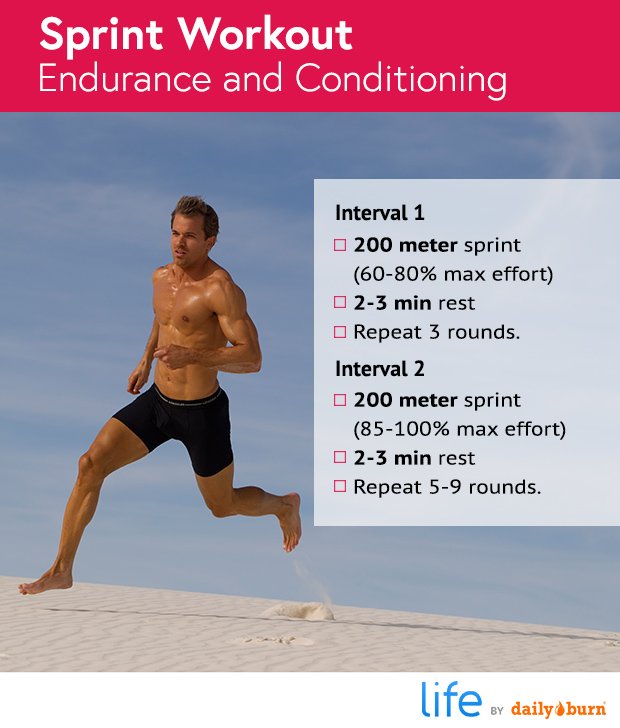
Here’s an example of a simple sprint workout that you can tailor to your fitness level and goals:
- Warm-up: 5-10 minutes of light jogging or dynamic stretching
- Sprints: 6 x 100 meters at 80% effort
- Recovery: 1-2 minutes of walking or slow jogging between sprints
- Cool-down: 5-10 minutes of easy jogging and stretching
Remember, it’s essential to listen to your body and adjust the intensity and volume of sprints based on how you feel during the workout.
In conclusion, the number of sprints you should do in your workouts depends on various factors, including your fitness level, goals, recovery time, and frequency of training. Whether you’re a beginner looking to improve your overall fitness or an experienced athlete aiming to boost your speed and power, incorporating sprints into your routine can be a valuable addition to your training regimen.
Start with a manageable number of sprints and gradually increase the intensity and volume as your fitness improves. Remember to prioritize recovery and listen to your body to prevent injuries and overtraining. By finding the right balance of sprints in your workouts, you can achieve your fitness goals and enjoy the many benefits that sprinting has to offer.
We hope this guide has provided you with valuable insights into how many sprints you should do and how you can optimize your sprint workout routine. Keep sprinting, stay consistent, and enjoy the progress you make towards a fitter, faster you!
How Many Sprints Should You Do Per Week?
Frequently Asked Questions
How do I determine the appropriate number of sprints to do?
The number of sprints you should do can vary based on factors such as your fitness level, training goals, and overall health. It’s essential to start with a manageable number and gradually increase as you build endurance and strength.
What are the benefits of including sprints in my workout routine?
Incorporating sprints into your workout routine can help improve cardiovascular fitness, increase metabolism, enhance speed and agility, and boost overall athletic performance.
Should I consult with a fitness professional before incorporating sprints into my training?
It is recommended to consult with a fitness professional or personal trainer before beginning any new exercise routine, including sprints. They can assess your fitness level, provide guidance on proper form, and help you determine the appropriate number of sprints for your individual needs.
Final Thoughts
In conclusion, the number of sprints you should do depends on your fitness level and goals. Beginners may start with 4-6 sprints per session, gradually increasing. Intermediate to advanced individuals can aim for 8-10 sprints. However, quality over quantity is key, focusing on maximal effort. Remember, listening to your body is crucial to avoid injury. So, ‘How many sprints should I do?’ It’s about finding the right balance that challenges you while allowing for proper recovery.