
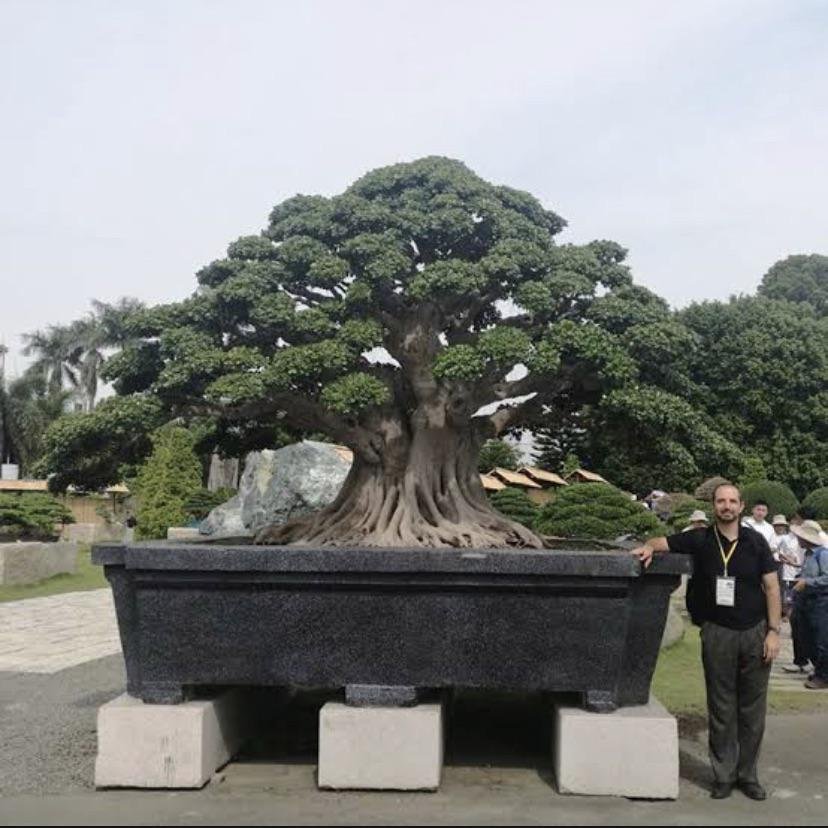
Bonsai trees, when carefully nurtured, can reach varying sizes, spanning from just a few inches to several feet tall. The art of cultivating these miniature trees has intrigued many, prompting the question: how big can bonsai trees get? Despite their modest appearance, bonsai trees have the potential to grow much larger than one might expect. However, the ultimate size of a bonsai tree depends on various factors such as the species of the tree, the age, and the level of care provided by the gardener. Let’s delve deeper into the fascinating world of bonsai cultivation to uncover the answer.

How Big Can Bonsai Trees Get
If you have ever marveled at the beauty and serenity of a bonsai tree, you might have wondered just how big these miniature marvels can grow. Bonsai trees are known for their small size, which adds to their charm and elegance. However, the actual size of a bonsai tree can vary greatly depending on various factors. In this article, we will explore the question, “How big can bonsai trees get?” and delve into the fascinating world of these miniature trees.
The Art of Bonsai
Before we delve into the sizes bonsai trees can attain, let’s first understand what bonsai is all about. Bonsai is the art of growing and shaping miniature trees in containers, creating a representation of a full-size tree in nature. The word “bonsai” itself comes from Japanese origins, with “bon” meaning tray or pot and “sai” meaning plant or tree. Bonsai trees are not a special species but rather regular trees that are meticulously pruned, wired, and cared for to maintain their miniature size.
Factors Influencing the Size of Bonsai Trees
To understand how big a bonsai tree can get, we need to consider several key factors that influence their growth. These factors include the species of tree, the age of the tree, the training techniques used, the size of the container, and the overall care provided to the tree.
Species of Tree
Different tree species have varying growth patterns and potential sizes, which directly impact how large a bonsai tree can become. Some tree species naturally grow larger in the wild, while others have smaller leaves and can be more easily miniaturized.
Age of the Tree
The age of a bonsai tree also plays a significant role in determining its size. Older trees tend to have thicker trunks and more intricate branching structures, giving the illusion of a larger tree in a smaller form.
Training Techniques
Bonsai artists use a variety of training techniques to shape and maintain the size of their trees. These techniques include pruning, wiring, and defoliation, all of which help control the growth of the tree and enhance its aesthetic appeal.
Size of the Container
The size of the container in which a bonsai tree is planted can also affect how big the tree can grow. A smaller container will restrict root growth and ultimately limit the overall size of the tree, while a larger container may allow for more growth.
Care and Maintenance
Proper care and maintenance are essential for the health and longevity of a bonsai tree. Regular watering, fertilizing, and repotting are all crucial aspects of caring for a bonsai tree and can impact its growth potential.
Size Categories of Bonsai Trees
When it comes to bonsai trees, they are typically categorized into several size classifications based on their height. These size categories help bonsai enthusiasts understand the scale and proportions of different trees. The main size categories include:
– **Mame:** These are the tiniest bonsai trees, standing at less than 6 inches in height. Mame bonsai are like living miniatures, requiring delicate care and attention due to their tiny size.
– **Shohin:** Slightly larger than Mame, Shohin bonsai trees range from 6 inches to 10 inches in height. These trees are still considered small but offer more room for intricate designs and details.
– **Chuhin:** Chuhin bonsai trees fall in the mid-size range, standing between 10 inches and 20 inches tall. These trees strike a balance between small and medium-sized bonsai and are popular among enthusiasts.
– **Omono:** Omono bonsai are the largest category, reaching heights of over 20 inches. These trees make a bold statement with their size and often require more space and attention due to their larger stature.
Extreme Cases of Bonsai Tree Sizes
While most bonsai trees fall within the typical size categories mentioned above, some extreme cases challenge the traditional notions of bonsai sizes. These outliers have pushed the boundaries of what is possible with bonsai cultivation.
The Largest Bonsai Tree
In 2011, a massive 300-year-old pine bonsai tree from Japan was displayed at the Chelsea Flower Show in London, reaching an astonishing height of 13 feet. This giant bonsai tree captivated audiences with its size and age, showcasing the incredible potential of bonsai cultivation.
The Smallest Bonsai Tree
On the other end of the spectrum, the smallest bonsai tree ever created was a mere 0.39 inches tall and was grown by the Japanese artist Komatsu. This tiny masterpiece demonstrated the precision and skill required to create bonsai trees on a microscopic scale.
In conclusion, the question of how big bonsai trees can get is a complex one with no definitive answer. Bonsai trees come in a wide range of sizes, from the tiny Mame to the towering Omono, each with its unique beauty and charm. By understanding the various factors that influence bonsai tree size and exploring the different size categories, we can appreciate the artistry and craftsmanship behind these miniature marvels. Whether large or small, each bonsai tree tells a story and embodies the harmony between nature and human creativity. So, the next time you gaze upon a bonsai tree, remember that size is just one aspect of its enchanting allure.
Top 5 most expensive bonsai trees in the world!
Frequently Asked Questions
How large do bonsai trees typically grow?
Bonsai trees are intentionally cultivated to remain small in size through careful pruning, training, and root maintenance. While there is no specific measurement for the ideal size of a bonsai tree, they are usually kept between 6 inches to 3 feet tall, depending on the species and style of the tree.
Can bonsai trees grow as large as regular trees if left unpruned?
If left unpruned and allowed to grow freely, bonsai trees may eventually reach the size of regular trees that are typically much larger than what is characteristic of a bonsai tree. By implementing proper pruning techniques and root management, bonsai trees can be maintained at a smaller size.
Do all species of trees have the potential to be trained into bonsai trees?
While many tree species can be trained and cultivated as bonsai, not all trees are equally suitable for the art of bonsai due to factors such as growth patterns, leaf size, and tolerance to pruning. Certain species are more commonly used for bonsai due to their characteristics and ability to thrive in small containers.
Final Thoughts
Bonsai trees can vary in size, with some staying as small as a few inches tall and others growing up to several feet high. However, the question of how big bonsai trees can get ultimately depends on the species of tree and the care they receive. Some species are naturally smaller and more suited for bonsai cultivation, while others may not thrive in miniature form. Understanding the growth patterns and characteristics of different species is crucial in determining how big a bonsai tree can potentially grow.