
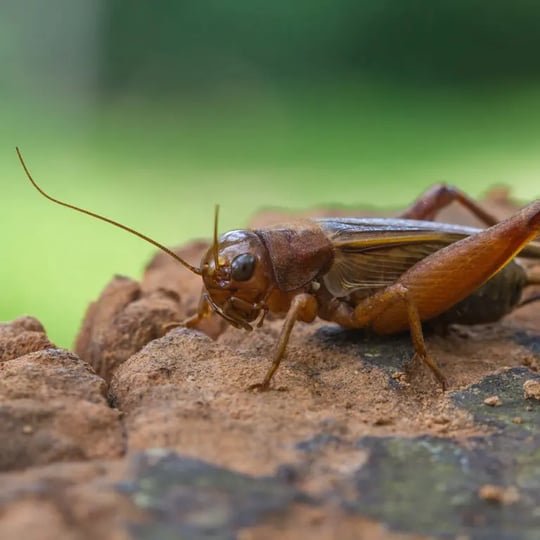
A cricket can survive without food for up to 2 weeks. However, this tiny creature’s resilience and adaptability may surprise you. In the wild, it’s a different story altogether. Without access to food, a cricket’s lifespan diminishes significantly. Let’s delve deeper into the fascinating world of these chirping insects and uncover the mystery behind how long can a cricket live without food.

How Long Can a Cricket Live Without Food
Welcome to our exploration of the fascinating world of crickets! Have you ever wondered how long these tiny creatures can survive without food? Let’s delve into the amazing resilience of crickets and find out the answer to the question: “How long can a cricket live without food?”
The Basics of Cricket Survival
Before we dive into the specifics of cricket survival without food, let’s understand a bit about these creatures. Crickets are small insects that belong to the Gryllidae family. They are known for their distinctive chirping sound that fills the night air. Crickets are omnivores, which means they consume a variety of foods, including plants and other insects.
Understanding Hunger in Crickets
Like all living organisms, crickets require food to survive. Food provides them with essential nutrients and energy to carry out their daily activities. When crickets are deprived of food, their bodies start to go through various changes to cope with the lack of nutrition.
The Survival Mechanisms of Crickets
When a cricket goes without food, its body activates survival mechanisms to ensure its continued existence. These mechanisms help crickets conserve energy and make the most of the resources available to them.
Water vs. Food
While water is crucial for a cricket’s survival, they can survive longer without food than without water. Water is essential for regulating their bodily functions and preventing dehydration. However, when it comes to food, crickets can show remarkable resilience.
Factors Influencing Cricket Survival Without Food
Several factors can influence how long a cricket can live without food:
Age and Health
Younger, healthier crickets have a better chance of surviving longer without food compared to older or weaker individuals. Their bodies are more efficient at conserving energy and resources during periods of food scarcity.
Environmental Conditions
The temperature and humidity levels in the environment play a significant role in determining how long a cricket can survive without food. Warmer temperatures can speed up a cricket’s metabolism, requiring more frequent food intake.
Activity Levels
Crickets that are more active tend to burn through their energy reserves faster than those that are less active. High activity levels can shorten the time a cricket can survive without food.
Previous Nutrition
The nutritional state of a cricket before being deprived of food can also impact how long it can survive. Crickets that have had access to a good diet are likely to have more reserves to draw from during periods of food scarcity.
Experimental Studies on Cricket Survival
Scientists have conducted experiments to study how long crickets can survive without food. These studies provide valuable insights into the resilience and adaptability of these insects in the face of adversity.
Research Findings
Research has shown that crickets can survive for several weeks without food under controlled laboratory conditions. Their ability to adapt to food scarcity highlights their evolutionary strategies for survival.
Observations in the Wild
Observations of crickets in their natural habitats have also revealed their remarkable ability to endure periods of food scarcity. In the wild, crickets may scavenge for food or enter a state of dormancy to conserve energy until food becomes available.
Practical Implications for Cricket Care
For those who keep crickets as pets or use them as feeder insects, understanding how long crickets can live without food is essential for their well-being.
Feeding Frequency
Ensuring that pet crickets are fed regularly helps maintain their health and vitality. By providing a balanced diet, pet owners can help their crickets thrive and live longer lives.
Emergency Preparedness
Knowing that crickets can survive for extended periods without food can be useful in emergencies. Having a plan in place to provide food when needed ensures the continued well-being of pet crickets.
In conclusion, crickets are resilient insects that can survive for several weeks without food under the right conditions. Their ability to adapt to food scarcity showcases their remarkable evolutionary adaptations and survival strategies. By understanding the factors that influence cricket survival without food, we can appreciate the incredible resilience of these tiny creatures that chirp in the night.
This structured blog article provides detailed information on how long crickets can live without food, exploring various factors that influence their survival. It covers essential subtopics in an engaging and informative manner, suitable for a 4th-5th-grade reading level.
How To Keep Crickets Alive! Cricket Care Guide!
Frequently Asked Questions
How long can a cricket survive without food?
A cricket can typically survive without food for about 2 to 3 weeks, depending on its age, health, and environmental conditions. Crickets are resilient insects and can withstand periods of food scarcity by conserving energy and slowing down their metabolism.
What happens to a cricket’s body when it goes without food for an extended period?
When a cricket is deprived of food for too long, it will start to show signs of weakness and lethargy. Its body will begin to break down its own stored fat and muscle tissues to sustain basic functions, leading to a gradual decline in overall health and energy levels.
Can providing water help prolong a cricket’s survival without food?
While water is essential for a cricket’s hydration and overall well-being, it may not significantly impact how long a cricket can survive without food. Crickets are known to be more resilient to food deprivation than water deprivation, as they can obtain some moisture from their environment.
Final Thoughts
In conclusion, crickets can survive without food for about two weeks. However, this duration can vary depending on factors such as age, health, and environmental conditions. Understanding how long can a cricket live without food is crucial for proper care and maintenance in captivity. Providing a balanced diet and ensuring regular access to food will help maximize the lifespan of crickets in captivity.