
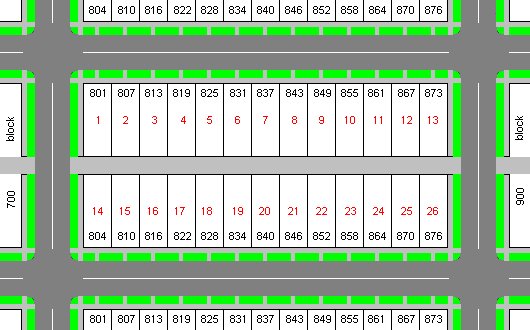
A city block typically measures around 400 feet, but the exact distance can vary depending on the city and location. Understanding how many feet in a city block is essential for navigation and urban planning. The length of a city block affects transportation routes, property values, and accessibility to amenities. Let’s dive deeper into the fascinating world of city blocks and explore their significance in shaping urban landscapes.

Exploring How Many Feet in a City Block: A Detailed Guide
Welcome, young explorers, to an exciting journey where we uncover the mysteries of city blocks and their measurements. Have you ever wondered how long a city block is in terms of feet? In this fun and informative blog post, we will dive deep into the world of city planning and measurement to find out just how many feet are in a city block. Let’s embark on this fascinating adventure together!
The Basics of City Blocks
Before we learn about the specific measurements of a city block, let’s first understand what a city block is. A city block is a section of a city that is surrounded by streets. It’s like a big puzzle piece that fits into the larger picture of a city. City blocks are where buildings, houses, parks, and other structures are located, creating the vibrant and bustling areas we see in cities around the world.
Now, you might be wondering, “How big are these city blocks?” Well, that’s where our journey into measuring city blocks begins!
Measuring a City Block
City blocks can vary in size depending on the city and the urban planning that was done when the city was built. Some city blocks are small and cozy, while others are large and spacious. But how do we measure the length of a city block in feet?
In general, a city block is typically measured in terms of its length on each side. This means we need to measure the distance from one end of the block to the other. To do this, we use the standard unit of measurement, which is the foot.
How Many Feet in a City Block?
So, how many feet are in a city block? The answer isn’t as simple as you might think because city blocks can vary in size. On average, a city block in the United States is about 200 to 900 feet long. This means that if you were to walk from one end of a city block to the other, you would be walking anywhere from 200 to 900 feet!
Imagine that! Walking the length of a city block is like taking a stroll through a miniature world filled with all sorts of sights and sounds. Each step you take covers a certain number of feet, bringing you closer to the other end of the block.
Factors Affecting the Length of a City Block
Now, you might be wondering why city blocks can vary so much in length. There are several factors that can affect the size of a city block:
City Planning
One of the main factors that determine the length of a city block is city planning. When a city is being designed, urban planners take into account various factors such as traffic flow, pedestrian access, and the overall layout of the city. These factors can influence how long or short a city block is.
Location
Another factor that can affect the length of a city block is its location. City blocks in downtown areas of major cities tend to be shorter to accommodate high-density development and make it easier for people to navigate the area on foot. On the other hand, city blocks in suburban areas may be longer to allow for more space between buildings.
Exploring City Blocks Around the World
City blocks aren’t just found in the United States; they exist in cities all around the world! Each city has its own unique layout and design, giving city blocks their distinctive characteristics.
New York City
Let’s take a virtual trip to one of the most famous cities in the world – New York City! In the bustling streets of Manhattan, city blocks are known for being relatively short compared to other cities. The average city block in Manhattan is about 280 feet long, making it easy for pedestrians to get around the city quickly.
Paris
Now, let’s jet off to the beautiful city of Paris, known for its romantic charm and historic architecture. City blocks in Paris tend to be longer and narrower compared to city blocks in the United States. The average city block in Paris is about 330 feet long, giving the city its unique and charming layout.
As we wrap up our adventure into the world of city blocks, we’ve learned that city blocks can vary in size from 200 to 900 feet on average. These blocks serve as the building blocks of cities, creating the vibrant and diverse urban landscapes we see around us.
Next time you’re out exploring your own city, take a moment to appreciate the city blocks that make up its unique layout. Who knows, you might just be walking the length of a city block without even realizing it! Happy exploring!
What Is the Ideal Size for a City Block? – Cheddar Explains
Frequently Asked Questions
How many feet are in a city block?
In a typical city block in the United States, there are approximately 400 feet. This measurement can vary depending on the specific city or urban area you are in, but as a general rule, a city block’s length is around 400 feet.
Is the length of a city block consistent across all cities?
No, the length of a city block can vary from city to city. Different cities have different standards for the length of a block, so the number of feet in a city block can differ based on the urban planning and layout of each specific area.
How does the length of a city block compare to other measurements?
City blocks are typically shorter than a mile, which is 5,280 feet. A city block is designed to be a convenient, walkable distance for pedestrians, making it shorter in length compared to a mile. However, the exact length of a city block can vary based on the city’s planning and development.
Final Thoughts
In conclusion, a city block typically spans around 300 to 900 feet, depending on the city’s layout and design. Knowing how many feet in a city block is crucial for urban planning and navigation. Understanding this measurement helps architects, urban planners, and commuters gauge distances accurately. Remember, the standard measurement of a city block in feet can vary based on location and urban development.