
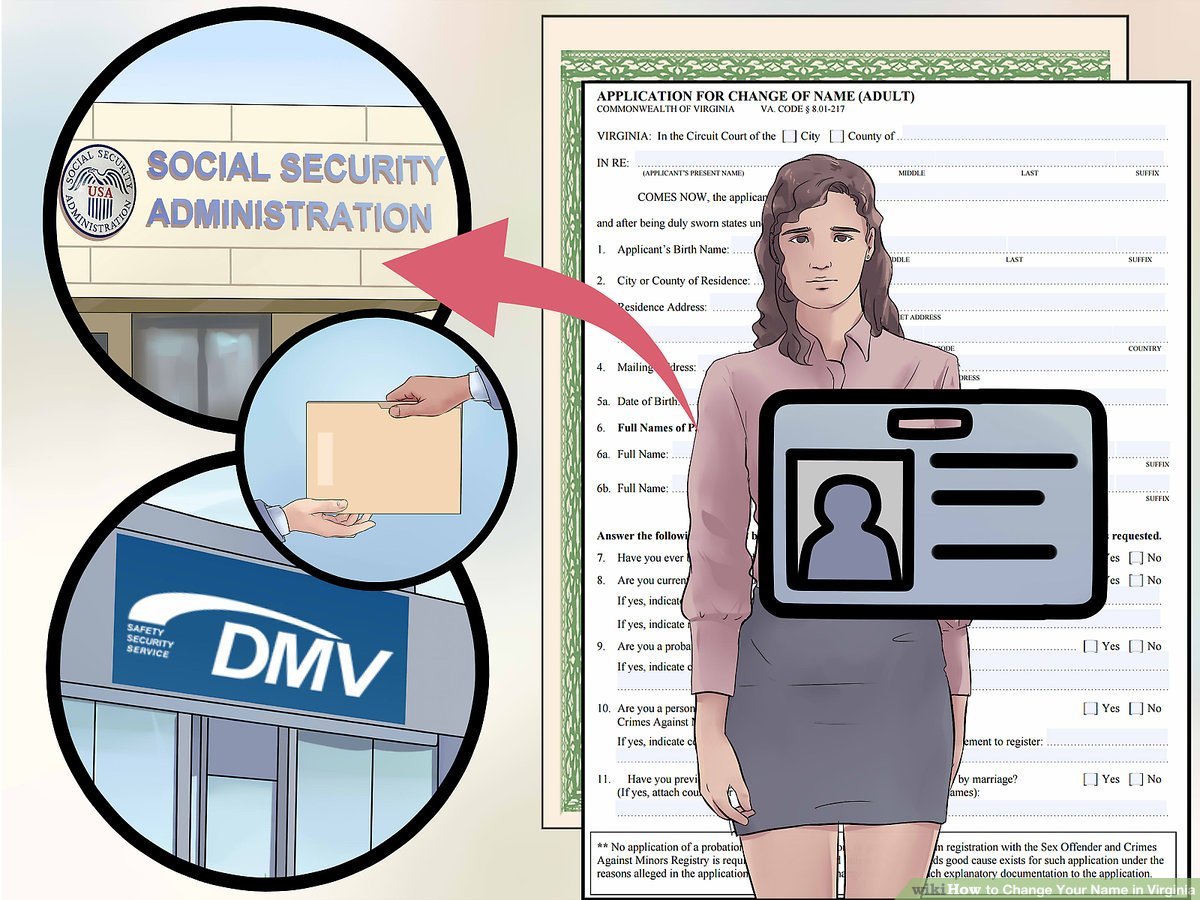
Legally changing your name in Virginia is a straightforward process that allows you to update your identity officially. To begin the process, file a petition with the circuit court in the county where you reside. Next, attend a court hearing where a judge will review your request. Once approved, you can update your name on legal documents and identification. Learn more about how to legally change your name in Virginia to start the journey towards your new identity.

How to Legally Change Your Name in Virginia
Changing your name is a big decision that can have a significant impact on your life. Whether you are getting married, divorced, or simply want a fresh start, the process of legally changing your name in Virginia can seem daunting. However, with the right information and guidance, it can be a straightforward process. In this comprehensive guide, we will walk you through the steps to legally change your name in Virginia, including the requirements, forms, and important considerations.
Understanding the Legal Process
Before you start the process of changing your name in Virginia, it’s important to understand the legal framework governing name changes. In Virginia, the process is regulated by state law, specifically the Virginia Code Title 8.01, Chapter 2. This law outlines the requirements and procedures for changing your name, ensuring that the process is done legally and ethically.
Reasons for Changing Your Name
There are several reasons why you may want to change your name in Virginia. Common reasons include marriage, divorce, gender transition, or simply a desire for a new identity. Regardless of your reason, the process of changing your name remains the same, with a few specific requirements depending on your circumstances.
Requirements for Changing Your Name in Virginia
Before you can legally change your name in Virginia, you must meet certain requirements set forth by the state. These requirements are in place to ensure that the name change process is legitimate and not used for fraudulent purposes. The key requirements for changing your name in Virginia include:
Age Requirement
In Virginia, you must be at least 18 years old to change your name legally. If you are under 18, you will need a parent or guardian to petition the court on your behalf.
Residency Requirement
You must be a resident of Virginia in order to change your name in the state. Proof of residency, such as a driver’s license or utility bill, may be required as part of the name change application.
No Outstanding Legal Issues
Before changing your name, you must not have any outstanding legal issues, such as criminal charges or civil cases, that would prevent the court from approving your name change petition.
Steps to Change Your Name in Virginia
The process of changing your name in Virginia involves several steps, including filing a petition with the court, publishing a notice of your name change, and obtaining a court order. Here is a detailed breakdown of the steps involved:
Step 1: Prepare and File the Petition
The first step in changing your name in Virginia is to prepare a petition for name change. This petition must include your current name, desired new name, reason for the name change, and any relevant personal information. Once the petition is completed, you must file it with the circuit court in the county where you reside.
Step 2: Publish a Notice of Name Change
After filing the petition, you will need to publish a notice of your name change in a local newspaper. This notice must be published once a week for four consecutive weeks to inform the public of your intent to change your name.
Step 3: Attend the Court Hearing
Once the notice has been published, you will need to attend a court hearing where a judge will review your petition and hear any objections to your name change. If the judge approves your petition, you will be issued a court order officially changing your name.
Updating Your Name on Legal Documents
Once your name change has been approved by the court, you will need to update your name on various legal documents and records. This includes updating your driver’s license, Social Security card, bank accounts, and other official documents. It’s important to notify all relevant agencies and organizations of your name change to ensure that your new name is reflected accurately.
Changing your name in Virginia is a significant decision that requires careful planning and adherence to legal requirements. By following the steps outlined in this guide and ensuring that you meet all necessary requirements, you can successfully navigate the process of changing your name in Virginia. Remember, changing your name is a personal choice, and the law is in place to protect your right to do so. If you have any questions or need assistance with your name change, consult with a legal professional to ensure that the process is smooth and hassle-free.
Remember, your name is an important part of your identity, and changing it is a choice that should be made thoughtfully and with care. Whether you are changing your name due to marriage, divorce, or personal reasons, the process of legally changing your name in Virginia is designed to ensure that your new name is recognized and respected by the law. We hope that this guide has been helpful in providing you with the information you need to successfully change your name in Virginia.
How to Change Your Name in Virginia
Frequently Asked Questions
What are the requirements to legally change your name in Virginia?
To legally change your name in Virginia, you must be at least 18 years old and have been residing in the state for at least six months. You must not have any felony convictions and need to provide a valid reason for the name change, such as marriage, divorce, or personal preference.
How do I initiate the name change process in Virginia?
To begin the name change process in Virginia, you must file a petition with the circuit court in the county where you reside. The petition should include your current name, desired new name, the reason for the change, and any supporting documentation, such as a marriage certificate or court order.
What steps are involved in legally changing your name in Virginia?
After filing the petition, you will need to attend a court hearing where a judge will review your request. If the judge approves the name change, you will receive a court order. You must then update your name with various institutions, such as the Social Security Administration, DMV, and banks.
How long does the name change process take in Virginia?
The name change process in Virginia typically takes several weeks to a few months from filing the petition to receiving a court order. The timeline may vary depending on the court’s schedule and any additional documentation required.
Final Thoughts
To legally change your name in Virginia, start by filing a petition with the circuit court in the county where you reside. Provide a valid reason for the name change and complete the required paperwork. Attend a court hearing, if necessary, to finalize the process. Once approved, update your name with relevant institutions and authorities. Changing your name in Virginia involves a straightforward legal process that requires thorough documentation and court approval. Remember to follow all legal requirements and procedures to ensure a smooth transition.